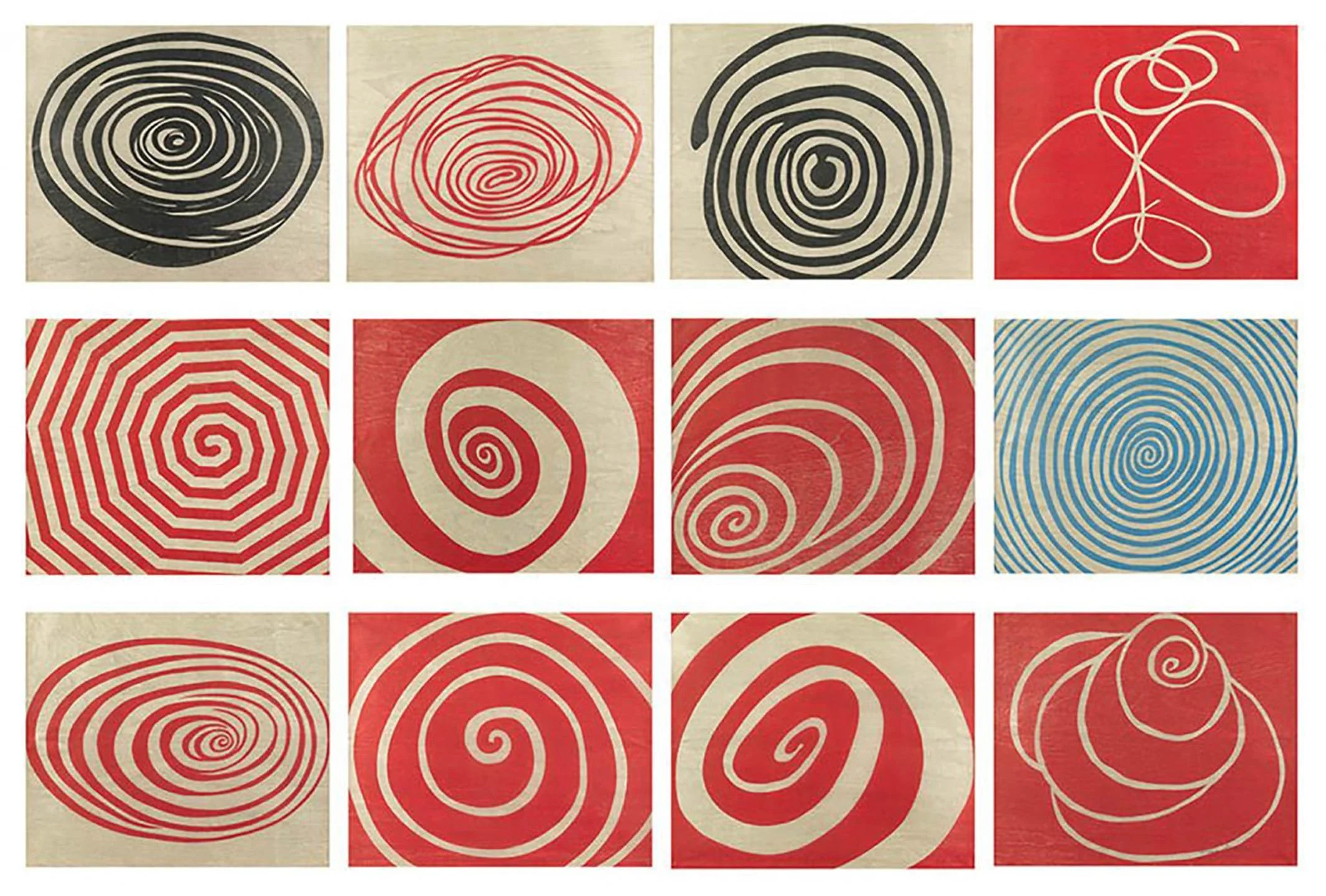
Love, Hate, Ignorance
Plato, Mishima, Lacan, Joyce, Badiou, Nin, Kristeva, Winterson, Freud, Poe, Winnicott, Richard, Bollas, Marcus, Benjamin, O’Connor, Maimonides, Ogden, Montaigne, Fisher, Murakami, Fink, Kafka.
Plato, Mishima, Lacan, Joyce, Badiou, Nin, Kristeva, Winterson, Freud, Poe, Winnicott, Richard, Bollas, Marcus, Benjamin, O’Connor, Maimonides, Ogden, Montaigne, Fisher, Murakami, Fink, Kafka.
Clinical Thinking Through Psychoanalytic Theory and Literature
Mondays, 5-7pm California Time
Starting September 14th 2026
Love, Hate, Ignorance is a live, interactive Zoom seminar for clinicians interested in psychoanalytic theory, literature, and the deepening of clinical thought.
Over twelve weekly sessions, we will take up love, hate, and ignorance as fundamental clinical forces. Through psychoanalytic theory, literature, and collaborative discussion, we will consider how these passions shape transference, countertransference, attachment, aggression, resistance, not-knowing, and the work of psychodynamic formulation.
Cost for the course is $800 USD. Some sliding scale spots available on request. See syllabus for complete course policies.
Course Details
Instructors:
Dru Farro, PhD
Benjamin J. Heilveil, MA, LMFT
Format: Live interactive Zoom seminar
Course length: 12 weekly sessions
Session length: 2 instructional hours per session
Total CE credit: 24 CE credits anticipated pending provider approval
Course dates: 12 Mondays starting September 14th, 2026
Course time: Mondays, 5-7PM PST
Location: Live online via Zoom
Provider: California Woodland Institute
CAMFT Provider Approval Number: To be inserted upon approval
Course Description
At the core of psychic development, Lacan suggests, are three passions: love, hate, and ignorance. These are not simply emotions we have; they are ways we come into relation with desire, knowledge, the other, and ourselves. We do not have them; they have us.
We love longingly. We love in fantasy, in fusion, in the hope of completion. We love maternally, paternally, erotically. We long for relationships that have passed, idealize relationships that are present, and attach ourselves to futures that will never arrive. Love organizes psychic desire. It gives shape to hope, dependency, and fantasy.
And because love matters so much, because it exposes us so completely to need, loss, humiliation, and abandonment, hate is never far away. Hate may emerge as a fierce attempt to preserve psychic safety: to destroy the object before being destroyed by it, to attack dependency before feeling helpless within it, to turn vulnerability into power. Clinically, hate is not something to romanticize or minimize. It can be terrifying, destructive, and overwhelming.
Ignorance is always closer than we wish to acknowledge. What cannot be thought will return as symptom, dream, compulsion, enactment, silence, or repetition. We suffer most from what we cannot yet bear to know. The clinician is often positioned, and educated, as the one who is supposed to know, yet our clinical task often requires something more difficult: the skill to remain capable and curious where no knowledge has yet arrived.
This seminar will take up love, hate, and ignorance as fundamental clinical forces. Through psychoanalytic theory, literature, and collaborative discussion, we will consider how these passions shape transference, countertransference, attachment, aggression, resistance, not-knowing, and the work of psychodynamic formulation.
Course Design
At its heart, this course is designed to be an opportunity for play and for adventure. Didactic or pedagogical frameworks are, as far as possible, not imposed in advance, though there are texts that will serve both as impetus and trailhead for the weekly conversations.
Readings are divided into two lists: primary and supplementary. Primary readings are from psychotherapeutic and psychoanalytic sources, and participants are strongly encouraged to complete these readings each week.
The supplementary readings are provided as opportunities to discover unexpected resonances, vivid associations, or lyrical enrichments of:
the primary texts
one’s current clinical cases and problems
one’s own psychic landscape, including nodes of love, hate, and ignorance
We have striven to provide readings that can be completed in two to four hours, but we realize that not all participants will have time to complete both readings each week. When both readings cannot be completed, priority ought to be given to the primary reading.
Seminar Structure
These seminars are intended to be collaborative, speculative, and playful, not didactic. Participants are encouraged to participate in whatever ways they feel most enriched, but also in ways they feel challenged.
Roughly the first hour of each seminar will focus on the weekly reading or readings, while the second hour will move toward clinical application. This is only a broad framework, and actual seminars will likely depart from this structure depending on the interests and desires of participants.
Full Syllabus & Reading List
A full syllabus and reading list will be available upon request. The syllabus includes weekly topics, primary psychoanalytic readings, supplementary literary and theoretical texts, learning objectives, course policies and continuing education information.
To request the full syllabus, contact: info@californiawoodlandinstitute.com
Continuing Education
This course is being developed as a 24-credit continuing education offering for licensed and pre-licensed mental health professionals. CE information, including provider approval number, attendance requirements, evaluation materials, and certificate details, will be updated upon provider approval.
Participants are responsible for confirming whether this course meets the requirements of their licensing board or professional organization.
Instructors
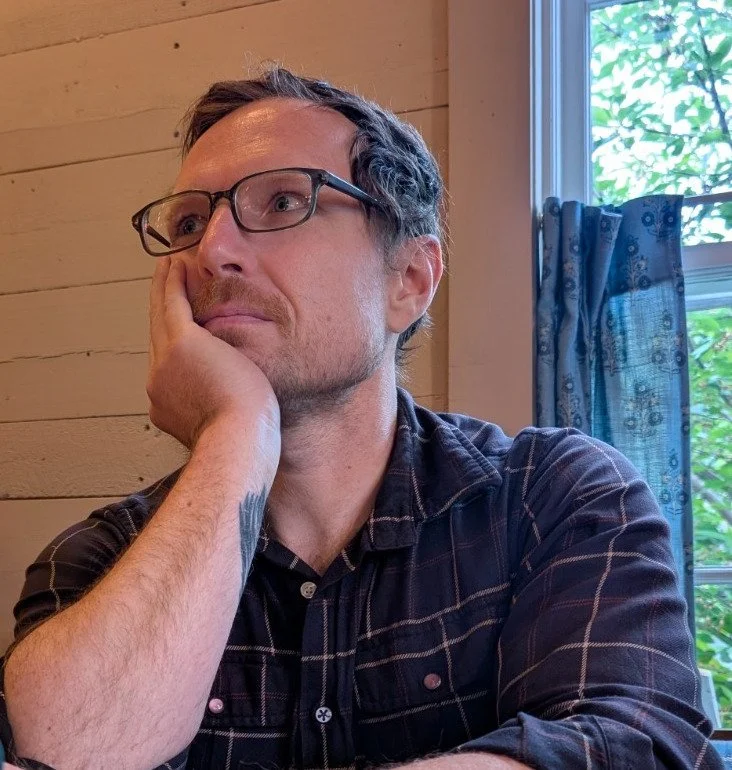
Dr. Dru Farro holds an MA in English Literature from the University of Wyoming and a Ph.D. in Theory and Criticism from Western University's Centre for the Study of Theory and Criticism. His research interests are psychoanalysis, education, and literature. He currently teaches ethics, literature, psychology, and writing in London, Ontario.
Dru Farro, PhD
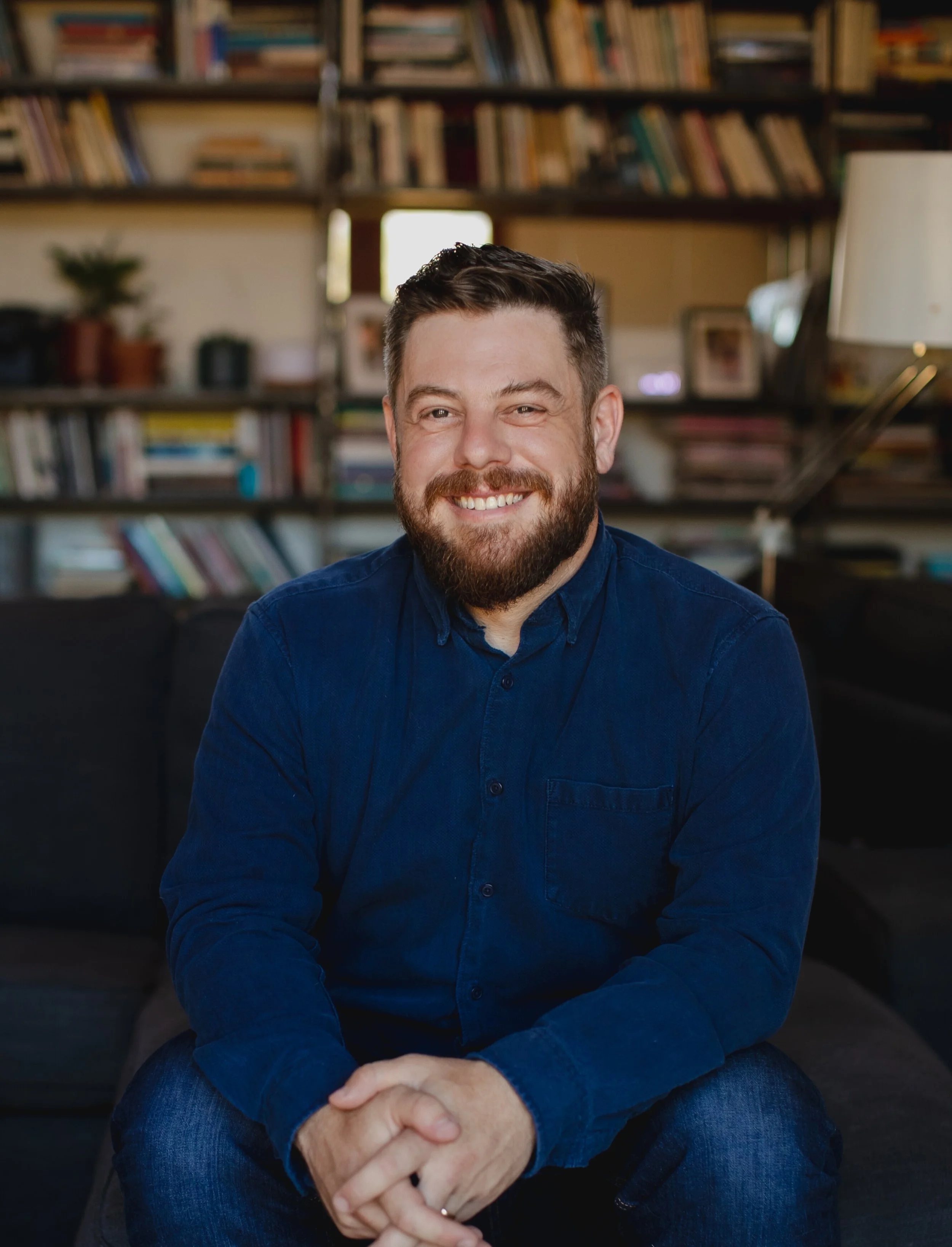
Ben is a licensed psychotherapist whose work is informed by contemporary psychoanalysis, relational psychotherapy, and ecological thought. He is the founder of the California Woodland Institute, where he teaches continuing education, facilitates clinical consultation groups, and develops interdisciplinary programs exploring psychoanalysis alongside literature, philosophy, and the humanities. His interests include countertransference, uncertainty, desire, ethics, and the therapeutic encounter, as well as equine-assisted psychotherapy as a unique setting for psychoanalytic inquiry. He lives and practices in Ojai, California.